Buy One Get One for 40% Off Select Duffels, Shop Now
Adaptive Backpack
Designed to integrate seamlessly with many mobility devices, the Adaptive Backpack offers a stable, no-shift way to get your belongings from home to work to weekend with ease.
2 Results
New
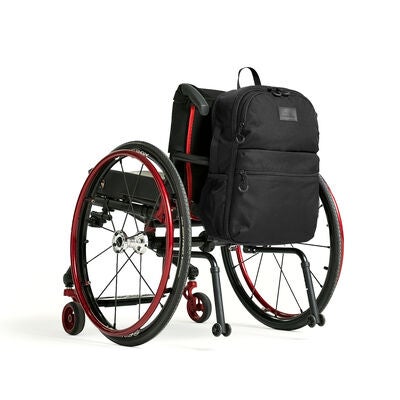
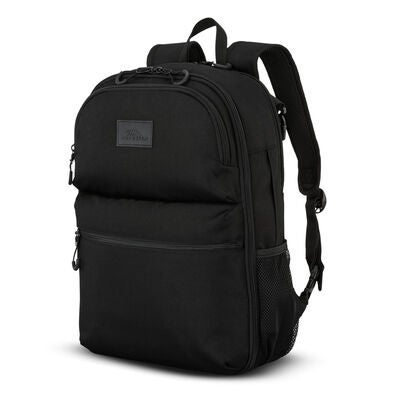
- Product Name
- Adaptive Backpack
- Product Details
- New Adaptive Backpack The current price is 54.99 USD.
- Product Link
- /collections/adaptive-backpack/adaptive-backpack/159025XXXX.html?dwvar_159025XXXX_color=1590251041&cgid=adaptive-bp
New
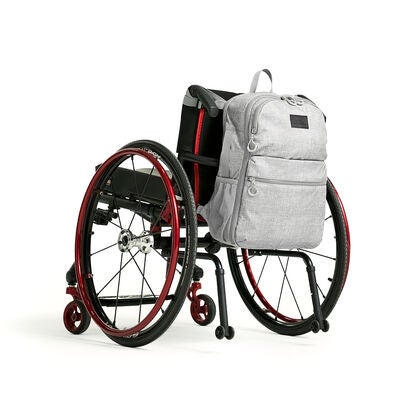
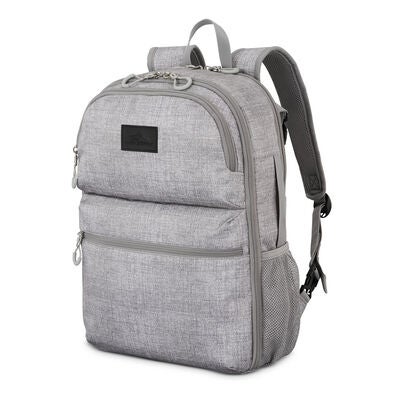
- Product Name
- Adaptive Backpack
- Product Details
- New Adaptive Backpack The current price is 54.99 USD.
- Product Link
- /collections/adaptive-backpack/adaptive-backpack/159025XXXX.html?dwvar_159025XXXX_color=1590258561&cgid=adaptive-bp
Meet The Adaptive Backpack
Now you see me, now you don’t.
Padded shoulder straps can be tucked away when not needed for a more streamlined carry.
Your hands-free carry all.
Webbing attachment loops are designed to attach seamlessly with mobility devices for a stable, no-shift way to carry your things.
Go ahead, make a mess.
A PEVA-lined front pocket can easily be wiped clean, so break those pens, melt that candy bars. We’ve got you covered.
Stay organized and hydrated.
Ample internal space is thoughtfully designed with a dividing sleeve and space for a bladder to help quench your thirst throughout the day.
Suitable for the Following:
The No-Nonsense Guide to Choosing a Wheelchair Accessibility Backpack
Life doesn’t slow down, and neither do you. Whether you’re at work, running errands, or taking care of your family, you need gear that’s as reliable as you are. A standard backpack? Usually not up to the task. If you use a wheelchair, you need a backpack built for real life—one that stays put, keeps your essentials close, and doesn’t get in your way.
You don’t have time for straps snagging on wheels, bags sagging out of reach, or zippers you can’t get to. What you need is dependability. You want an adaptive backpack that’s built for the daily grind:
- Smart, practical features
- Sturdy, weather-tough materials
- No-nonsense design that works
Choosing the right wheelchair accessibility backpack is about practicality and peace of mind—knowing your gear won’t let you down, rain or shine. In this guide, we break down what matters most: mounting systems, strap management, easy-access pockets, and durability you can count on.
By the end, you’ll know exactly what matters when picking a backpack for your wheelchair.
Built for Real Life: What Makes an Adaptive Backpack Different?
Thinking about just tossing a regular bag over your chair? You could. Lots of people do. But here’s what really happens:
- Straps drag and get caught in your wheels
- The bag sags or swings, making it hard to reach
- Center of gravity shifts, upsetting your chair’s balance
- Fumbling for pockets becomes frustrating—and even risky
An adaptive backpack is made for real life—your life. Here’s how it’s different:
- Flush fit: Sits snug against your backrest, wider and less deep so it won’t tip your chair or get in your way
- Even weight: Designed to keep your chair steady, even when loaded up with tools, laptops, or groceries
- Mounts that work: Adjustable loops and anchor straps keep it locked to your chair—it stays put when you hop a curb or take a sharp turn
- Access made simple: Angled zippers and pockets are right where you need them; no stretching or awkward reaching
At the end of the day, it’s a tool—meant to make your day-to-day easier. Designed to integrate seamlessly with many mobility devices, the Adaptive Backpack offers a stable, no-shift way to get your belongings from home to work to weekend with ease. A padded laptop pocket, mesh water bottle pockets, and a PEVA-lined front pocket provide plenty of space for your things, while packable padded shoulder straps are there when you need them, stashed away when you don’t.
Non-Negotiable Features of a Dependable Wheelchair Backpack
When you spend your hard-earned money on gear, you expect it to last. Forget fancy extras—these are the features that matter.
Anchor Straps and Mount Systems That Hold Fast
The mount system is the main thing. If the bag isn’t secure, it’s not worth your time. Look for:
- Adjustable backrest loops: Easy to slide over push handles; must be strong with thick webbing and reinforced stitching
- Anchor straps: Extra straps (bottom or middle of the bag) that wrap around the chair frame and clip securely
- Quick-release options: Handy if you need to remove the bag fast to load into a vehicle
You need gear that stands up to daily use and High Sierra's Adaptive Backpack has padded shoulder straps that can be tucked away when not needed. Tuck-away shoulder straps prevent snags where standard bags fail and get stuck within the spokes or drag on the ground, collecting dirt and water. You can unclip and stash shoulder straps in a hidden pocket on the back when not in use and pull out the straps if someone else needs to carry the bag or if you want to transfer it to another device. Ready when you need them, stashed away when you don’t—no excess straps getting in your way
Simple, reliable, and made for the real world.
Easy-Grab Zippers and Reach-Friendly Pockets
Small or hidden zippers are a pain—especially when you need something fast. The right bag offers:
- Oversized zipper pulls: Big O-rings, looped cords, or tabs—easy to grab even if your hands are tired or you’re wearing gloves
- Pockets within reach: Side pockets right in your natural reach zone, not at the back where you can’t get to them
- PEVA-lined front pocket: Gives you a spot for snacks, a lunch, or anything that needs a little extra protection—easy to wipe clean
You don’t have time to dig around—grab and go matters.
Finding the Right Fit for Your Setup
Not every wheelchair or scooter fits the same bag. You need a setup that matches your mobility equipment.
The Manual Wheelchair Setup
If you use a manual chair, every ounce counts. Key things to look for:
- Compact, wide design: Sits high up, not low—stays out of the way so you can reach your wheels
- Lightweight build: Reinforced nylon or tough Cordura—durable but won’t weigh you down
- Keeps you balanced: Avoid overloading; pack only what you need and keep it centered
A good bag won’t make your chair feel “tippy” or block your push rims.
Power Wheelchairs and Scooters
With a power chair, balance is less of a concern—but fit and clearance matter:
- Extra-long or adjustable straps: To fit over wide, padded backrests or captain’s seats
- Heavy-duty buckles: So the bag stays put even on larger frames
- Larger storage: Carry bigger items—medical gear, groceries, heavy coats—without worry
- Safety check: Make sure the bag doesn’t block taillights or reflectors
Choose flexibility and storage that match your routine. Lucky for you, High Sierra's Adaptive Backpack fits all of these needs.
How to Pack Your Adaptive Bag for the Daily Grind
Half the job is how you pack:
- Keep weight balanced: Heavy items in the center, low and against the back panel—keeps your chair tracking straight
- Laptop tip: Use a padded sleeve flat against the chair side; protects your device and stabilizes the load—a padded laptop pocket like the one in the Adaptive Backpack makes this easy
- Quick-access essentials: Phone, wallet, keys, or multi-tool in side pockets—you shouldn’t have to open the big compartment for these
- Internal organizers: Pens, cables, meds, and smaller items in designated pockets for easy access
- Mesh water bottle pockets: Stay hydrated and keep your drink within easy reach—no need to dig. The Adaptive Backpack has both external pockets for your water bottle and an interior section for your hydration pack making hands-free water drinking possible.
A well-packed bag saves time, frustration, and hassle.
The Power of Practical Choices
A wheelchair accessibility backpack is more than gear—it’s a tool that helps you stay organized and ready for anything. Choose practicality over flash, every time. Find the bag that fits your chair and your daily route. Choose one that feels like a natural part of your setup—not an extra burden. With the right accessibility backpack, you carry quiet confidence wherever you go.
Stand tall in your grit and community. Pack up, strap in, and head out—there’s real work to be done, and you’ll be ready for it. Choose The Adaptive Backpack.
The No-Nonsense Guide to Choosing a Wheelchair Accessibility Backpack
Life doesn’t slow down, and neither do you. Whether you’re at work, running errands, or taking care of your family, you need gear that’s as reliable as you are. A standard backpack? Usually not up to the task. If you use a wheelchair, you need a backpack built for real life—one that stays put, keeps your essentials close, and doesn’t get in your way.
You don’t have time for straps snagging on wheels, bags sagging out of reach, or zippers you can’t get to. What you need is dependability. You want an adaptive backpack that’s built for the daily grind:
- Smart, practical features
- Sturdy, weather-tough materials
- No-nonsense design that works
Choosing the right wheelchair accessibility backpack is about practicality and peace of mind—knowing your gear won’t let you down, rain or shine. In this guide, we break down what matters most: mounting systems, strap management, easy-access pockets, and durability you can count on.
By the end, you’ll know exactly what matters when picking a backpack for your wheelchair.
Built for Real Life: What Makes an Adaptive Backpack Different?
Thinking about just tossing a regular bag over your chair? You could. Lots of people do. But here’s what really happens:
- Straps drag and get caught in your wheels
- The bag sags or swings, making it hard to reach
- Center of gravity shifts, upsetting your chair’s balance
- Fumbling for pockets becomes frustrating—and even risky
An adaptive backpack is made for real life—your life. Here’s how it’s different:
- Flush fit: Sits snug against your backrest, wider and less deep so it won’t tip your chair or get in your way
- Even weight: Designed to keep your chair steady, even when loaded up with tools, laptops, or groceries
- Mounts that work: Adjustable loops and anchor straps keep it locked to your chair—it stays put when you hop a curb or take a sharp turn
- Access made simple: Angled zippers and pockets are right where you need them; no stretching or awkward reaching
At the end of the day, it’s a tool—meant to make your day-to-day easier. Designed to integrate seamlessly with many mobility devices, the Adaptive Backpack offers a stable, no-shift way to get your belongings from home to work to weekend with ease. A padded laptop pocket, mesh water bottle pockets, and a PEVA-lined front pocket provide plenty of space for your things, while packable padded shoulder straps are there when you need them, stashed away when you don’t.
Non-Negotiable Features of a Dependable Wheelchair Backpack
When you spend your hard-earned money on gear, you expect it to last. Forget fancy extras—these are the features that matter.
Anchor Straps and Mount Systems That Hold Fast
The mount system is the main thing. If the bag isn’t secure, it’s not worth your time. Look for:
- Adjustable backrest loops: Easy to slide over push handles; must be strong with thick webbing and reinforced stitching
- Anchor straps: Extra straps (bottom or middle of the bag) that wrap around the chair frame and clip securely
- Quick-release options: Handy if you need to remove the bag fast to load into a vehicle
You need gear that stands up to daily use and High Sierra's Adaptive Backpack has padded shoulder straps that can be tucked away when not needed. Tuck-away shoulder straps prevent snags where standard bags fail and get stuck within the spokes or drag on the ground, collecting dirt and water. You can unclip and stash shoulder straps in a hidden pocket on the back when not in use and pull out the straps if someone else needs to carry the bag or if you want to transfer it to another device. Ready when you need them, stashed away when you don’t—no excess straps getting in your way
Simple, reliable, and made for the real world.
Easy-Grab Zippers and Reach-Friendly Pockets
Small or hidden zippers are a pain—especially when you need something fast. The right bag offers:
- Oversized zipper pulls: Big O-rings, looped cords, or tabs—easy to grab even if your hands are tired or you’re wearing gloves
- Pockets within reach: Side pockets right in your natural reach zone, not at the back where you can’t get to them
- PEVA-lined front pocket: Gives you a spot for snacks, a lunch, or anything that needs a little extra protection—easy to wipe clean
You don’t have time to dig around—grab and go matters.
Finding the Right Fit for Your Setup
Not every wheelchair or scooter fits the same bag. You need a setup that matches your mobility equipment.
The Manual Wheelchair Setup
If you use a manual chair, every ounce counts. Key things to look for:
- Compact, wide design: Sits high up, not low—stays out of the way so you can reach your wheels
- Lightweight build: Reinforced nylon or tough Cordura—durable but won’t weigh you down
- Keeps you balanced: Avoid overloading; pack only what you need and keep it centered
A good bag won’t make your chair feel “tippy” or block your push rims.
Power Wheelchairs and Scooters
With a power chair, balance is less of a concern—but fit and clearance matter:
- Extra-long or adjustable straps: To fit over wide, padded backrests or captain’s seats
- Heavy-duty buckles: So the bag stays put even on larger frames
- Larger storage: Carry bigger items—medical gear, groceries, heavy coats—without worry
- Safety check: Make sure the bag doesn’t block taillights or reflectors
Choose flexibility and storage that match your routine. Lucky for you, High Sierra's Adaptive Backpack fits all of these needs.
How to Pack Your Adaptive Bag for the Daily Grind
Half the job is how you pack:
- Keep weight balanced: Heavy items in the center, low and against the back panel—keeps your chair tracking straight
- Laptop tip: Use a padded sleeve flat against the chair side; protects your device and stabilizes the load—a padded laptop pocket like the one in the Adaptive Backpack makes this easy
- Quick-access essentials: Phone, wallet, keys, or multi-tool in side pockets—you shouldn’t have to open the big compartment for these
- Internal organizers: Pens, cables, meds, and smaller items in designated pockets for easy access
- Mesh water bottle pockets: Stay hydrated and keep your drink within easy reach—no need to dig. The Adaptive Backpack has both external pockets for your water bottle and an interior section for your hydration pack making hands-free water drinking possible.
A well-packed bag saves time, frustration, and hassle.
The Power of Practical Choices
A wheelchair accessibility backpack is more than gear—it’s a tool that helps you stay organized and ready for anything. Choose practicality over flash, every time. Find the bag that fits your chair and your daily route. Choose one that feels like a natural part of your setup—not an extra burden. With the right accessibility backpack, you carry quiet confidence wherever you go.
Stand tall in your grit and community. Pack up, strap in, and head out—there’s real work to be done, and you’ll be ready for it. Choose The Adaptive Backpack.